Author: Gallagher

  • Goodbye to Black Brook Farm Growers!

    We’ve decid­ed that we’re not con­tin­u­ing Black Brook Farm Grow­ers this year. It was a very dif­fi­cult deci­sion, but as much as we’ve enjoyed the last two years on the farm, Dave and I both feel as if we’re not ready to com­mit 100% to an agrar­i­an lifestyle quite yet. Because so much plan­ning in farm­ing is very long term (you don’t see the results from your efforts until many years down the road) in order to real­ly cre­ate a eco­nom­i­cal­ly and eco­log­i­cal­ly viable farm we would have to com­mit to stay­ing here for a long time. Dave and I are still young, and we still want the oppor­tu­ni­ty to trav­el and exper­i­ment with dif­fer­ent career paths, and we feel as if this exper­i­men­ta­tion would­n’t be pos­si­ble while main­tain­ing this farm in Carlisle.


    So, we’ve moved back down to New York City and left all the beau­ty the farm has to offer behind. Dav­e’s work­ing in film, and I’ve con­tin­ued to work in restau­rants and also been doing some work with Slow Food USA, which is based in Brook­lyn. If pos­si­ble, our dream is to take a road trip across the Unit­ed States vis­it­ing and work­ing at dif­fer­ent farms through the WWOOF pro­gram (World Wide Oppor­tu­ni­ties on Organ­ic Farms). Where ever we are, we hope to keep learn­ing about farm­ing and food. My mom has also had an excit­ing cou­ple of months, but you’ll have to ask her about that.


    We start­ed Black Brook Farm Grow­ers because we want­ed to learn about farm­ing, and because we want­ed to get this beau­ti­ful, nutri­ent-rich land back into pro­duc­tion. Well, we’ve def­i­nite­ly learned a TON, not just about farm­ing, but also about our­selves. We’ve become stronger, men­tal­ly and phys­i­cal­ly, and we’ve moved back down to New York City with more con­fi­dence, a stronger com­mit­ment to local food and the envi­ron­ment, and a much more sol­id rela­tion­ship with each oth­er and with our fam­i­lies. As far as get­ting the land back into pro­duc­tion, we’ve found a cou­ple women in the area that are inter­est­ed in keep­ing the gar­den going, so it’s so the land will still be used, now under the name Danc­ing Toma­to Farm. Vis­it their web­site for infor­ma­tion about where to buy their veg­eta­bles. If you’re inter­est­ed in a CSA share, our friend Andrew Rogers is start­ing a CSA over at Clark Farm and I’m sure it’s going to be great. You can get more infor­ma­tion at the Clark Farm web­site.


    If you have any ques­tions about our deci­sion feel free to email us. Thank you to every­one who sup­port­ed us these past cou­ple of years. It’s been an amaz­ing experience.


    Hap­py Spring!

    Gal­lagher

  • A Lamb is Born!

    It’s a boy! He was born ear­ly this morn­ing, and seems very healthy and strong. When we came out to the pas­ture this morn­ing, Brid­gette (and Dia­mond) were hov­er­ing over the lamb nuz­zling it. Here are some pic­tures that Dave took this morn­ing (click on the thumb­nails to see the full size images).

    no images were found

  • Meet the Newest Member of the BBFg Team: Diamond! (plus new piglets, chicks etc.)

    First of all, I hope that you’re all enjoy­ing our new site. Aside from hav­ing a sleek new ban­ner, some new pages and a bet­ter URL address, our web­site also makes it pos­si­ble to reserve meat online using Pay­pal. Just got to our Pre-Buy Meat Online page.


    I’ve been mean­ing to post for a very long time, but so much has been hap­pen­ing around here that I did­n’t real­ly know where to start. How­ev­er, yes­ter­day there was a big enough change that I could­n’t help but come online and share it with all of you…

    Meet Dia­mond!

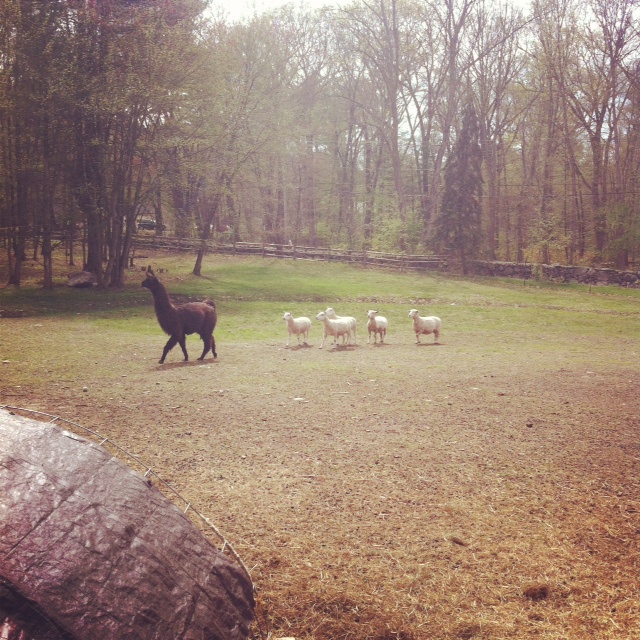
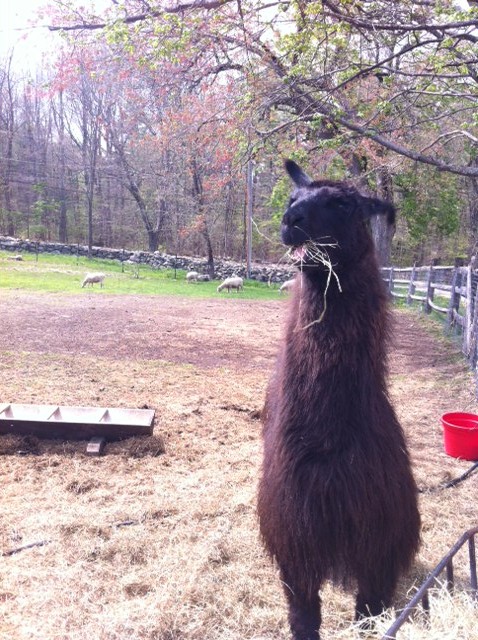
    Meet Dia­mond, our new lla­ma from Pel­ham, NH. Dave and I just went to pick him up yes­ter­day, and so far he’s exceed­ed our expec­ta­tions for awesomeness.


    I’m get­ting ahead of myself though. This all start­ed because we’ve been look­ing into find­ing some oth­er pas­tures for our sheep to graze on this sum­mer. Because we bred all our ewes to a Finn ram, a breed that’s known to throw triplets, quadru­plets or even quin­tu­plets, I’ve been get­ting a lit­tle ner­vous that we were going to end up with more sheep than we have pas­ture for at Black Brook Farm. Add to this wor­ry the fact that we’ve been get­ting very lit­tle rain so far this year, and we have to ready our­selves for the pos­si­bil­i­ty of a very dry sum­mer, and you can see why we might want some back up fields. How­ev­er, the more we talked to peo­ple, the more obvi­ous it became that there was no way that we could put our sheep out on pas­ture some­where with­out pro­tec­tion against coy­otes. Dave and I have yet to see a coy­ote since we moved to BBF (which could be because of all the bark­ing dogs, or the hors­es, or just blind luck) but there are sure­ly coy­otes in these woods too — so that’s where Dia­mond comes in! We researched some dif­fer­ent ways to pro­tect our girls and their babies from preda­tors — guard dogs, per­ma­nent struc­tures — but a lla­ma seemed like the best solu­tion. Dia­mond eats the same things that sheep do (unlike a dog), he does­n’t require any spe­cial train­ing, and he’ll stay behind 4′ elec­tronet fenc­ing! Plus, he’s a per­fect gen­tle­man, and appar­ent­ly has nev­er spit at a human, he just does­n’t like coy­otes. There’s lots of infor­ma­tion about guard lla­mas online, but here’s a nice suc­cinct study if you want to read more:  http://www.sprucelane.com/guardllamas.pdf.

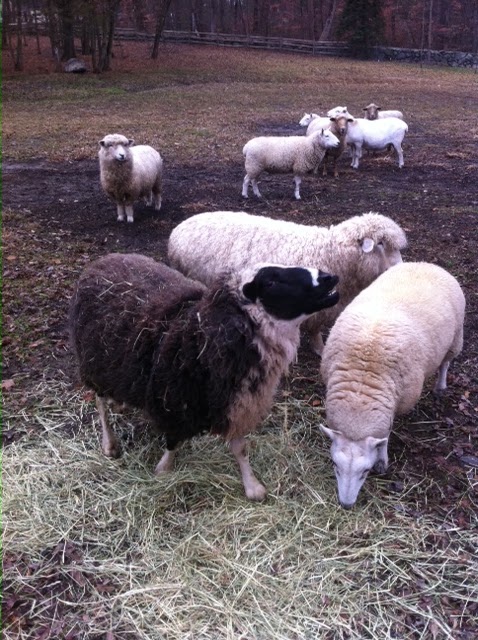
    The ewes check­ing Dia­mond out
    So hand­some!


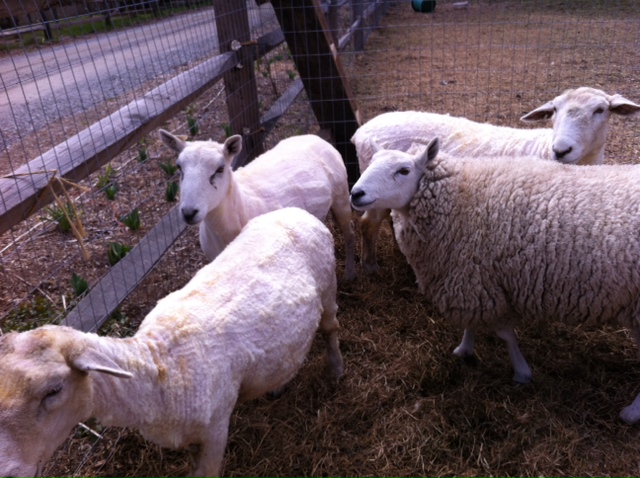
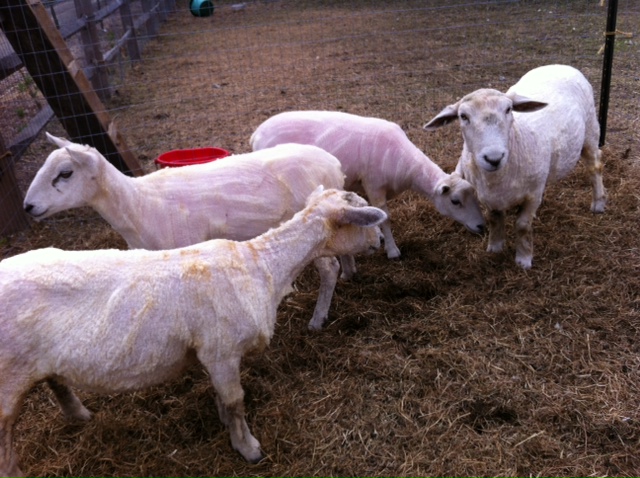
    The sheep also have got­ten sheared and look more preg­nant than ever! We’ve expect­ing lambs to drop any day now.

    Before
    Dur­ing…


    After


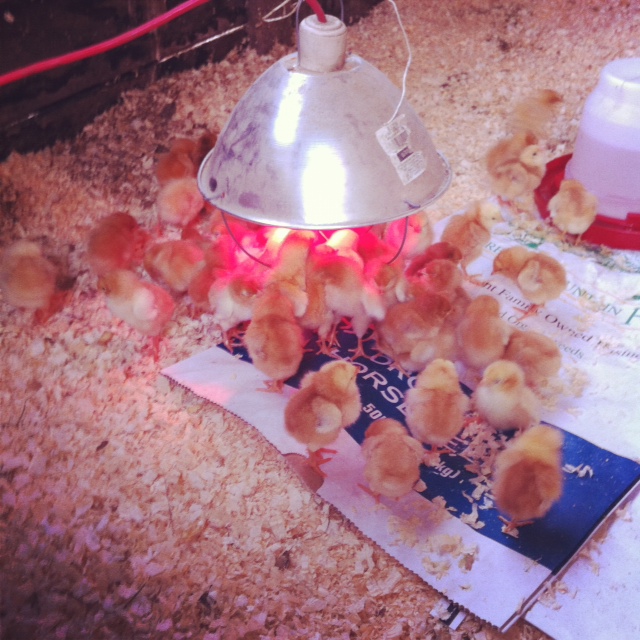
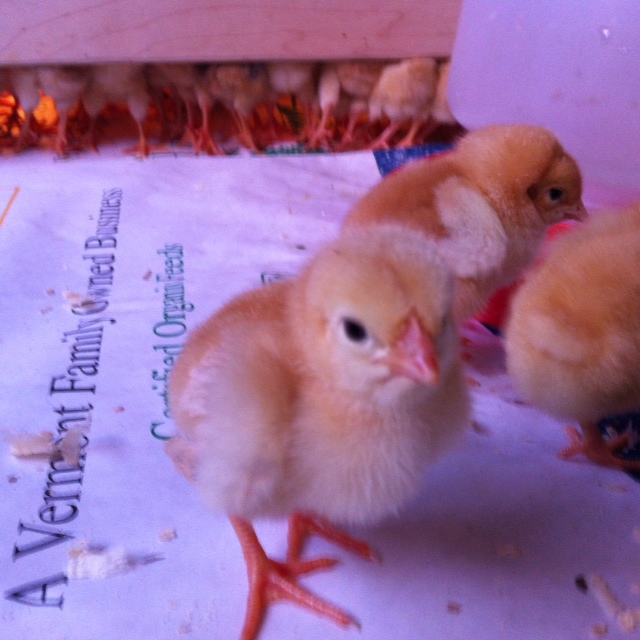
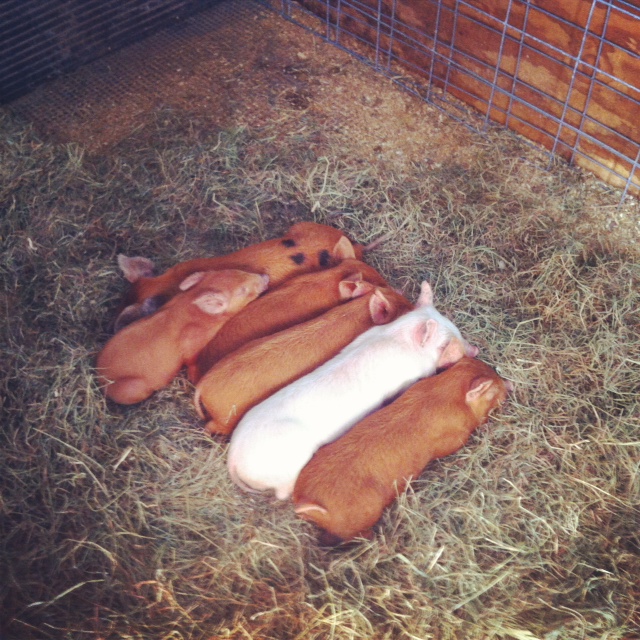
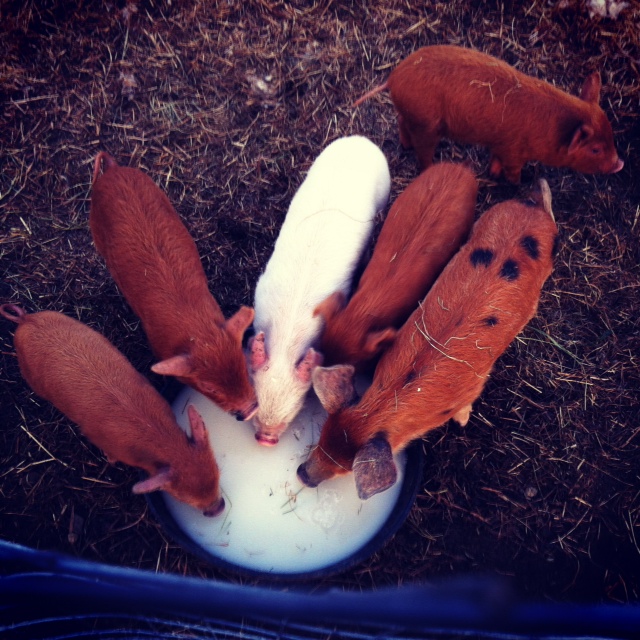
    And now, final­ly, our new baby chicks and piglets…We were on our way up to get our breed sow from Ver­mont when we got a call that she had had a mis­car­riage, so we decid­ed to go with piglets instead. It’s sad that we’re not going to get a big beau­ti­ful pig mom­ma, and that we did­n’t get to see our piglets birthed, but it’s nice to have con­trol over exact­ly how many piglets we have (six right now!) I’m just going to post some pic­tures, and I’ll write more lat­er. It’s almost 9 AM and there are things to do today so I have to wrap this up.

    Baby chicks under the heat lamp


    More baby chicks (note all those feet under the heat box)


    Com­ing home in the trailer


    Chow­ing down on whey


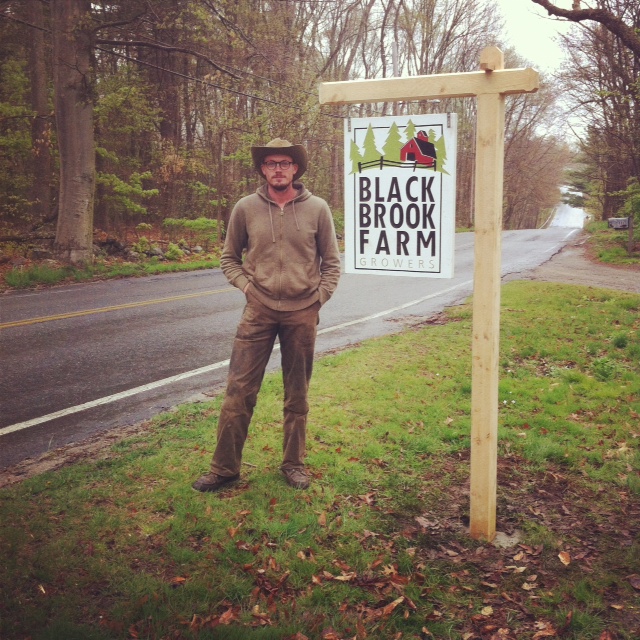
    And final­ly, the pic­ture you’ve all been wait­ing for…

    Our new sign!
  • Some Pictures of Spring!

    Tom Erick­son mod­el­ing our new bee suit with accessories
    our geor­gian fire gar­lic start­ing to sprout 
    the ducks enjoy­ing fresh green grass
    the good news: our ducks have start­ing lay­ing eggs
    the bad news: they’ve been lay­ing them in the pond
    prepar­ing beds to plant sug­ar snap and snow peas 
    fenc­ing in a wood­land pas­ture in antic­i­pa­tion of our new breed sow com­ing home!
    fix­ing up the garage
    orga­niz­ing the garage (very VERY excit­ing)! There’s noth­ing like spring cleaning…
    Egg­plant and toma­to seedlings enjoy­ing the indoor light table
  • Spring and our new CSA room!

    Well, it seems as if Win­ter is over and it’s officially…Summer? At least I got to see one snow storm before it became 80 degrees…

    The sheep are def­i­nite­ly hap­pi­er, they’ve start­ed ignor­ing their hay in favor of the green shoots that are sprout­ing up through­out their pas­ture. I’ve been watch­ing them close­ly to see if their bel­lies are round­ing out with lit­tle lambs, and I believe that they are. They also seem to be laz­ing through­out the pas­ture more, but that might just be because they’re hap­py for warmth and sun to lay in.
    Lambs aren’t the only babies that we’re get­ting ready for. I just placed an order for 75 free­dom ranger chicks, which were our favorite broil­er chicks from last year, so those should be arriv­ing mid-April. Also, arriv­ing mid-April is our new sow who we’re going to pick up from Sug­ar Moun­tain Farm in Ver­mont. She will already have been bred, and should have piglets with­in a cou­ple weeks of arriv­ing. We also recent­ly decid­ed to start two bee­hives by the gar­den, which is very excit­ing. We’ve only learned a lit­tle bit about bees, but we can already tell that they’re going to be fas­ci­nat­ing to raise, not to men­tion how excit­ing it’s going to be to have our own hon­ey or how help­ful they’re going to be in the gar­den. They should arrive in ear­ly May, around the same time as the lambs.

    And don’t for­get about these babies…

    onions, leeks, cab­bage, broc­coli, swiss chard, beets and more!
    After weeks of wad­ing through spread­sheets we final­ly have a full plant­i­ng sched­ule for the sea­son, just in time to start plant­i­ng! With tem­per­a­tures in the 80s this week, keep­ing these lit­tle guys at the right tem­per­a­ture has been dif­fi­cult. The green­house has been sky­rock­et­ing past 100 degrees dai­ly so we’ve had to keep the flats out­side. Although it’s hard to com­plain about beau­ti­ful days and sun, this unsea­son­able weath­er makes us, as new farm­ers, pret­ty ner­vous. What’s next? Snow­storms in June?

    Mean­while, we’ve been work­ing on our new CSA pick-up room in the barn. One of the rooms on the back right-hand cor­ner of the far­m’s beau­ti­ful 1800s barn was (extreme­ly kind­ly and effi­cient­ly) cleaned out for us, and we got right down to work cut­ting a door to the garage (aka our tool stor­age and veg­etable clean­ing sta­tion) into our new farm store!

    Before…
    …and After
    Then scrap­ing and sanding
    And final­ly painting!
    Now that the paint­ing is done, we can start orga­niz­ing! Hap­py Spring every­one! It’s time to get back to work!
  • February 22nd

    Black Brook Farm Grow­ers 2012 CSA has been filled! We’re all get­ting real­ly excit­ed for this year, and we’ve all got a lot to do to get ready. Our seeds have all arrived and we’re going to start plant­i­ng this week. My mom has been brave­ly tack­ling a fresh set of spread­sheets (in order to set up our plant­i­ng and har­vest­ing sched­ules), Dave and I are work­ing on a new web­site that we’re hop­ing launch­ing this year and we’re talk­ing about clean­ing out a sec­tion of the barn for our new CSA pick up spot. 

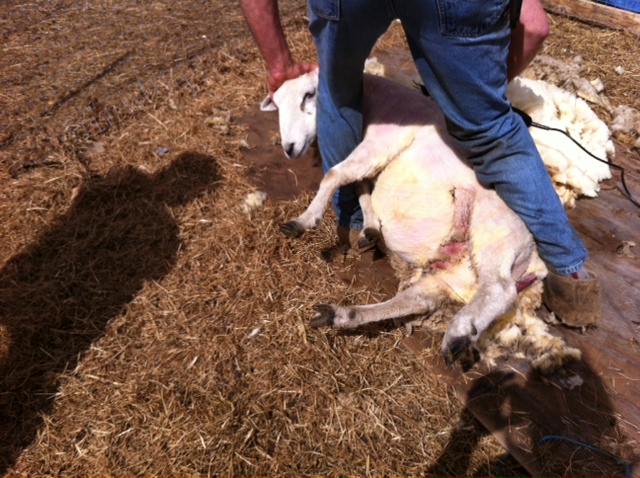
    The sheep are all doing well and are (hope­ful­ly) preg­nant. We start­ed trim­ming their feet this week, which requires catch­ing them and flip­ping them, not the eas­i­est feat, espe­cial­ly when they’re as large as this one:
    Lau­rel: the sweet­est sheep in the world
    Carlisle Grows Green the new Carlisle School gar­den­ing and com­post­ing pro­gram has been nice enough to give us their com­post. Yes­ter­day Dave and I shov­eled it into the hoop house, where the warmth will hope­ful­ly speed up it’s progress.
    That’s all for now! Pic­tures of our first lit­tle seedlings com­ing soon
    …and just for fun. Last Feb­ru­ary 22nd:
  • SIGN UP FOR OUR 2012 CSA!

    We just sent out an email with infor­ma­tion about our 2012 CSA. For those of you who are inter­est­ed, but aren’t on our email list, here’s a link:
  • Happy New Year!

    We had a great hol­i­day sea­son here at Black Brook Farm. By Thanks­giv­ing the farm was pret­ty much shut down for the win­ter, and we were all able to take a break and spend time with our fam­i­ly and friends. We read, worked on projects that had been pushed to the side, watched the movies we’d been want­i­ng to watch, ate a lot of amaz­ing meals and even slept in!
    Black Brook Farm Grow­ers hol­i­day ham get­ting ready to be brined

    The one thing we did not do was blog, as I’m sure all of you loy­al fans have noticed, but now that it’s the new year and all the Christ­mas can­dy is gone, we’re gath­er­ing up seed cat­a­logs and get­ting back to work.

    Up until now, every month has been a new adven­ture, with new excite­ments, chal­lenges and sur­pris­es. But we’ve final­ly come full cir­cle and are back in the win­ter plan­ning stage (just like when this blog was born a year ago). This year has taught us a lot, and we have a much clear­er pic­ture of what we want Black Brook Farm Grow­ers to be.
    Here are some of my new years res­o­lu­tions for Black Brook Farm Growers:
    • Get orga­nized: I’ve said it before and I’ll say it again, farm­ing requires A LOT of orga­ni­za­tion. That means tons of spread­sheets, lists and records so that you can remem­ber EXACTLY what worked and what did­n’t. Every farm is dif­fer­ent, so as help­ful as books and oth­er farm­ers can be, at the end of the day it’s impor­tant to learn from your own land. Orga­ni­za­tion is not always my strong point, but this year that’s going to change. There’s some great online soft­ware out there for small organ­ic farms, this year I’m going to try using AgSquared, which I learned about in a work­shop at last years sum­mer NOFA conference.
    • Take risks: We want to keep stretch­ing our­selves and learn­ing new things. That means exper­i­ment­ing and being cre­ative, and not being afraid to try some­thing that we think might work. There’s a lot of room for cre­ativ­i­ty in farm­ing, which is one of the rea­sons I love it so much.
    • Make mon­ey: I know it’s not classy to talk about mon­ey, but BBFg is a busi­ness, and it’s impor­tant for Dave and I to prove that we can make a prof­it doing this work. Being able to cre­ate a finan­cial­ly viable busi­ness not only means that we can con­tin­ue farm­ing, it also means that we can show oth­er would-be farm­ers that this is a dream worth pur­su­ing. This last year we saw, and were inspired by, a lot of awe­some small farms that were finan­cial­ly sta­ble. We’re con­fi­dent that it can be done, but that does­n’t mean that it’s easy.
    • Effi­cien­cy: We need to use our time and resources as effec­tive­ly as pos­si­ble to min­i­mize waste on the farm. (This is Dav­e’s res­o­lu­tion and it ties in nice­ly with get­ting orga­nized and mak­ing money).
    • Cre­ate a com­mu­ni­ty around the farm: This year, as you may or may not know, we’ve decid­ed to focus entire­ly on CSA, or Com­mu­ni­ty Sup­port­ed Agri­cul­ture. That means that instead of going to farmer’s mar­kets, or hav­ing a farm stand, we are going to have a lim­it­ed amount of mem­bers that buy into the farm at the begin­ning of the sea­son, and receive a week­ly stipend of veg­eta­bles as a result. Not only is CSA a great way for to help meet all of the res­o­lu­tions I’ve already list­ed above,  it also means that we’ll have a com­mu­ni­ty of peo­ple who are inter­est­ed in local food com­ing to the farm every week. We’re excit­ed to share the farm with our mem­bers, and to use the farm as a space for com­mu­ni­ty events. We’d also like to have work­shops at the farm to teach our mem­bers, and the larg­er com­mu­ni­ty, about cook­ing, butcher­ing, pre­serv­ing and more.
    These are just a few of my res­o­lu­tions. I’m sure over the next cou­ple of weeks, as we begin plan­ning, there will be many more.
    Before I say good-bye (and get back to all that work I’ve been talk­ing about), I’d like to men­tion one excit­ing Decem­ber devel­op­ment, our ewes have been bred! Eli, a Finn ram, came and stayed at Black Brook and spent some qual­i­ty time with our sheep. He just went back to Bel­mont and we miss him already. He’s a great look­ing ram, and was very sweet with the girls. We are cross­ing our fin­gers that the ewes are all preg­nant. They should lamb some­time in late April or ear­ly May.
    Eli. We’re hop­ing some of our lambs will have his coloring.
    We’re look­ing for­ward to a great 2012 season!

  • The Month of October (in brief) So Far

    Well the leaves are final­ly turn­ing col­ors, even though the tem­per­a­ture is stay­ing warm. Mean­while, the gar­den con­tin­ues to pro­duce a impres­sive amount. Our toma­toes, sum­mer squash and cucum­bers may have long since been com­post­ed, but egg­plants and pep­pers are still going strong and we have more than enough beets, car­rots and turnips to go around. The last Carlisle Sum­mer Farmer’s Mar­ket is tomor­row, and Mom and I have been har­vest­ing all day.

    Brus­sel sprouts, leeks, car­rots and beets

    We also have tons of greens that are enjoy­ing to cool­er weath­er: let­tuce, pak choy, kale, swiss chard, cab­bage, col­lard greens, arugu­la, the list goes on. In order to extend our greens sea­son, we bought a Quick Hoop High Tun­nel Ben­derfrom John­ny’s Select­ed Seeds web­site and erect­ed a very rudi­men­ta­ry hoop house.

    Dave bolt­ing two bent pipes together
    The first hoop

    Basi­cal­ly, the hoop house is just fence rails bent to the same curve and then bolt­ed togeth­er to form a half cir­cle. They are then insert­ed into short­er, wider sec­tions of pipe that are ham­mered into the ground. One last rail along the top of the hoops pro­vides stability.

    Next week we are plan­ning on installing the plas­tic over the top, which will then be lashed to the frame with para­chute cord. With this added cov­er, we are hop­ing to keep grow­ing greens well into the winter.

    All the win­ter squash has been har­vest­ed from the sec­ond field and put them into the green­house to dry and cure. Now that the sec­ond field has been com­plete­ly har­vest­ed, we’re get­ting ready to till it next week. We’re plan­ning on expand­ing it out towards the pig a bit to give our­selves a bit more room for next year.
    We went up to the Com­mon Ground Fair  in Uni­ty, Maine a cou­ple weeks ago (a real­ly good time for any­one inter­est­ed in local food, rur­al liv­ing and/or home­steading). The fair, aside from hav­ing craft and food tents as far as the eye can see, also includes a lot of work­shops. We took the oppor­tu­ni­ty to learn a lit­tle bit more about sheep care and lamb­ing, and I bought a drop spin­dle so I could start prac­tic­ing spin­ning wool. It’s not easy.
    Our five ewes are set­tling in nice­ly. In prepa­ra­tion for the ram that’s com­ing in the end of Novem­ber, we have plans to fence in the front pas­ture — and are in the midst of try­ing to find the cheap­est, eas­i­est and most effec­tive way to accom­plish this goal. We were cau­tioned not to try to keep a ram behind flim­sy, tem­po­rary elec­tric fence, and any­way we need to cre­ate a per­ma­nent pas­ture for our preg­nant ewes to live in all win­ter (since the portable elec­tric fence is also too flim­sy to stand up to snow).
    The front pasture

    Look for­ward to the thrilling con­clu­sion to this fenc­ing sto­ry in a cou­ple of weeks…

    As well as an update on our pigs…
    And my thoughts on how won­der­ful CSAs are…
    All com­ing soon.
    But until then…
    Hap­py Fall!
  • A Sheep Story

    When Dave and I got the mes­sage that a woman in Bed­ford was look­ing to sell five of her sheep my first thought was, absolute­ly not. After all, pru­dence tells me that we should grow slow­ly, and so do the major­i­ty of organ­ic farm­ing how-to books.

    “But isn’t part of the fun get­ting in over our heads a lit­tle?” Dave asked.
    True, there are organ­ic farm­ing how-to books that would agree. The Dirty Life,for exam­ple (a great read). Well, maybe, I thought. So we did some research, went and vis­it­ed them, spent hours writ­ing pro and con lists, and decid­ed that it was too late, we had already fall­en in love.
    Can you blame us?
    Lau­rel, the most friendly
    Plus, we jus­ti­fied, lamb will make our meat CSA that much more desir­able next year (if you’re inter­est­ed, sub­scribe to our mail­ing list on the right). And I’m pret­ty excit­ed about their wool as well.
    Luck­i­ly for us, sheep are pret­ty easy to take care of. They eat pri­mar­i­ly grass, are very hardy, and are extreme­ly sweet. We’re com­mit­ted to rais­ing them organ­i­cal­ly, with­out any vac­cines or antibi­otics, so that means that the only tricky part is we’re going to have to intense­ly rota­tion­al­ly graze them. That means they’ll have to be moved almost dai­ly (and def­i­nite­ly dai­ly next spring when we have lambs that are much more sus­cep­ti­ble to par­a­sites). Mov­ing them every­day means that they will more ful­ly graze the pas­ture. As one sheep own­er explained, “if you give them too much space to graze, they’ll eat all the cake and none of the veg­eta­bles”. It also means that they won’t be graz­ing over a build up of their own excre­ment, there­fore reduc­ing the chances of them get­ting par­a­sitic diseases.
    Again, we turned to Wellscroft Fence Sys­tems in New Hamp­shire, and they hooked us up with some light­weight elec­tric sheep fenc­ing and a lot of great advice. For now, we’re graz­ing them on the back pas­ture, with plans to install some per­ma­nent fenc­ing and bring them up clos­er to the house this winter.
    Graz­ing
    A Cheviot
    Phlox (Rom­ney), on the left. Lau­rel (Rom­ney) in the fore­ground. Bon­nie, Blair and Brid­get (the three Cheviots) next to Phlox.
    They love the move­able shel­ter Dave built them.
    We pur­chas­es five ewes, two Rom­neys and three Cheviots. We’ll breed them this fall and hope­ful­ly they’ll all twin in the spring, pro­vid­ing us with lamb for mar­ket by Octo­ber. Both are con­sid­ered good breeds for meat and fleece. The Rom­neys are known as good sheep for begin­ners, very easy going, while the Cheviots are con­sid­ered a lit­tle more wild. Cheviots are said to have been roam­ing the hills between Scot­land and Eng­land as ear­ly as the 14th Cen­tu­ry (wikipedia) and are “not­ed for har­di­ness, longevi­ty, pro­duc­tive­ness, milk­ing, and moth­er­ing abil­i­ty and for their great activ­i­ty” (Amer­i­can Cheviot Sheep Soci­ety). Because they are “hill sheep” and were often left to their own devis­es, they are more skit­tish and wary of preda­tors than the more trust­ing Rom­neys. We fig­ured it would be worth­while to try out a cou­ple dif­fer­ent breeds.
    So you can all look for­ward to more sheep sto­ries this winter.